How Scrap Cars Are Processed Following Collection From Your Property
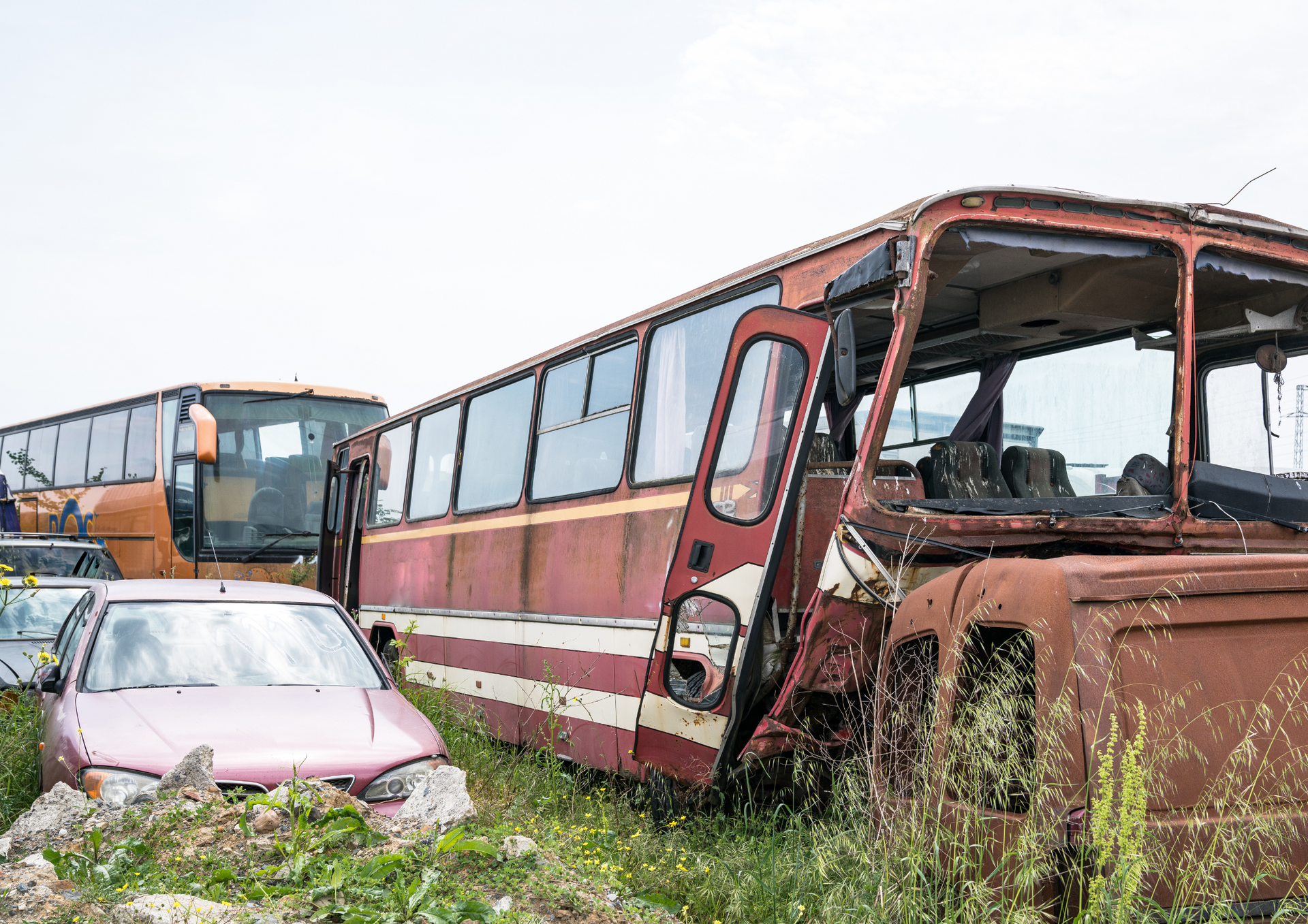
When scrap cars are collected from a home, driveway, business premises or other location, their journey is far from over. Collection is simply the first visible stage for the owner. After removal, the vehicle enters a structured process involving assessment, preparation, dismantling, material separation and recycling.
For drivers and vehicle owners in Liverpool, understanding what happens after collection can make the disposal process easier to follow. Cars and vans can reach the end of their practical working lives for many reasons, including age, corrosion, mechanical problems, accident damage or the increasing cost of keeping them operational.
Once a vehicle is taken away, different components and materials need to be considered individually. Metals may have recycling potential, certain parts may be suitable for further use, and fluids, batteries, tyres and other materials require appropriate handling. The condition and construction of the vehicle can influence how these stages are carried out.
This guide explains the journey from property collection through to processing and recycling, helping motorists understand what happens after an unwanted vehicle leaves their possession.
What Happens Immediately After Vehicle Collection
For the owner, collection often feels like the end of the process. The vehicle has left the driveway, parking space, yard or business premises, and the practical problem of having an unwanted vehicle occupying valuable space has been resolved. Behind the scenes, however, several further stages still need to take place.
The first consideration is transportation. A vehicle that no longer starts or drives normally needs to be moved in a way suited to its condition. Collection requirements can vary considerably depending on whether the wheels turn freely, the steering operates correctly and the vehicle has sustained substantial damage.
Owners can make this stage easier by providing accurate information before collection. The make and model, general condition, location and accessibility can all be useful details. It is particularly important to explain whether the vehicle is damaged, missing wheels, difficult to steer or positioned somewhere with restricted access.
Before arranging scrap my car, motorists should also remove personal belongings. Glove compartments, boots, door pockets, centre consoles and spaces underneath seats can contain items that have been forgotten over months or years of ownership. Vans should be checked carefully for tools, equipment and work materials.
Access can be particularly important in Liverpool and other busy urban areas. Vehicles may be parked on narrow residential streets, behind properties, on shared driveways or within commercial yards. Nearby parked vehicles and limited turning space can also affect how collection is approached.
After removal, the vehicle can be transported to an appropriate facility where processing begins. The next stages focus less on the vehicle as a complete form of transport and more on the individual components and materials it contains.
This distinction is important. Even when a car can no longer provide reliable transport, many of the materials used in its construction may still have practical value. Processing allows those resources to be identified rather than leaving the complete vehicle unused and deteriorating.
Preparing a Collected Vehicle for Processing
Once a vehicle reaches the appropriate facility, preparation can begin. This stage is important because a modern car or van contains far more than metal. Fluids, electrical components, batteries, tyres, plastics, glass, wiring and mechanical parts all require consideration before the remaining structure can move further through processing.
Motorists searching for scrap my car near me may understandably focus mainly on how quickly an unwanted vehicle can be collected. However, what happens afterwards is equally important. A structured process helps separate different components and directs them towards suitable handling, reuse or recycling routes.
Typical preparation and initial processing can include:
- Recording or checking relevant vehicle details after arrival.
- Assessing the general condition of the body and major components.
- Identifying parts that require removal before further processing.
- Removing relevant fluids using appropriate procedures.
- Separating the battery from the vehicle.
- Removing tyres where required for separate handling.
- Identifying components that may have potential for further use.
- Separating electrical components and wiring where appropriate.
- Preparing the remaining structure for further dismantling.
- Directing different materials towards suitable processing routes.
The order and exact methods can vary depending on the type and condition of the vehicle. A relatively complete older car may require a different approach from one that has suffered extensive accident damage or has already had components removed.
Commercial vehicles can introduce additional considerations. Vans may contain different interior fittings, load-area materials or specialist equipment, while larger vehicles can involve greater quantities of metal and other resources.
Preparation therefore provides an organised transition between collection and material recovery. Instead of treating the entire vehicle as a single object, processing begins to divide it into manageable categories.
This approach also makes later recycling more effective. Materials can be identified and separated according to their characteristics rather than remaining mixed within the complete vehicle.
For owners, much of this activity happens out of sight. Nevertheless, understanding these stages helps explain why responsible vehicle disposal continues well beyond the moment a car or van is taken away from a property.
How Components and Materials Are Separated
After initial preparation, greater attention turns towards dismantling and material separation. Vehicles are manufactured from numerous resources, many of which can potentially be recovered once they are separated correctly.
Steel is one of the most significant materials because it is widely used throughout vehicle structures. Aluminium may be found in wheels, engines and various body or mechanical components, while copper is commonly present in wiring and electrical systems. Vehicles also contain plastics, glass, rubber and other materials.
For people comparing scrap cars for cash, it can be useful to understand that the complete vehicle is not necessarily treated as one uniform material. Its different components can follow separate routes according to their condition, composition and potential for recovery.
Some of the main material categories include:
- Steel: Commonly found throughout the vehicle structure and suitable for metal recovery.
- Aluminium: Often present in wheels, engine components and selected body parts.
- Copper: Frequently recovered from electrical wiring and other electrical systems.
- Glass: Vehicle windows and other glass components may require separate processing.
- Plastics: Different types can be found throughout interiors, bumpers, trims and other areas.
- Rubber: Tyres and various seals contain materials requiring their own handling routes.
- Electrical parts: Modern vehicles contain numerous electrical and electronic components.
- Mechanical components: Certain parts may be assessed individually before final processing.
- Interior materials: Seats, carpets, trims and other interior elements contain a mixture of materials.
- Remaining structural material: Once suitable components have been separated, the remaining body can continue towards further processing.
The condition of each component matters. A part that is no longer suitable for further use may still contain materials that can be recovered. Similarly, severe mechanical failure in one area does not necessarily affect the recycling potential of materials elsewhere in the vehicle.
This is particularly relevant for high-mileage cars and vans. An engine or gearbox may have reached the end of its working life while large quantities of steel, aluminium and copper remain available for recovery.
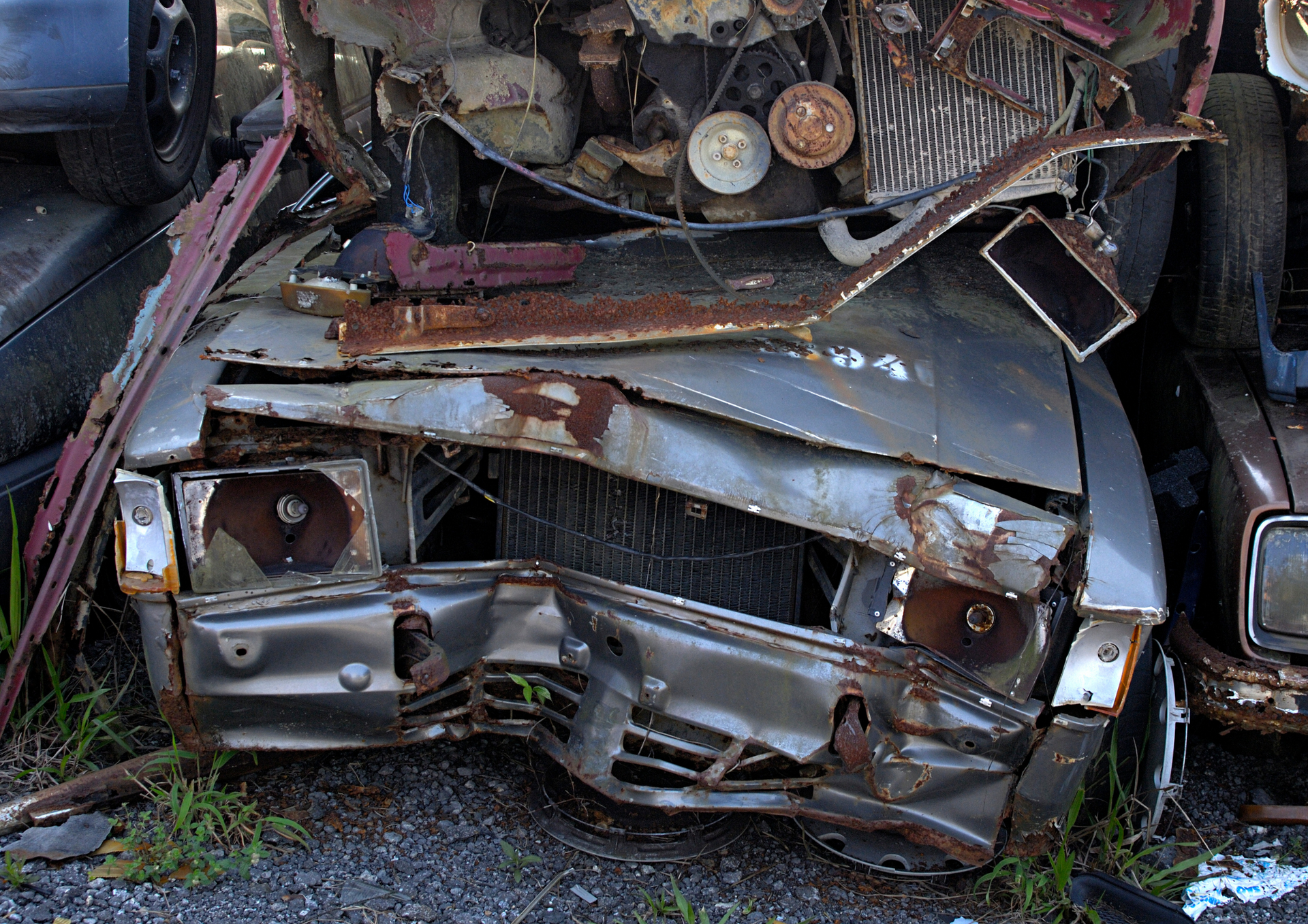
Accident-damaged vehicles can present a similar situation. Body panels and structural sections may be badly damaged, but the underlying materials can still potentially enter appropriate recycling streams.
Separation therefore helps extract remaining value from a vehicle after its useful road-going life has ended. Instead of considering only whether the complete vehicle still works, processing considers what individual resources can continue to serve a purpose.
From Material Recovery to the Final Recycling Stage
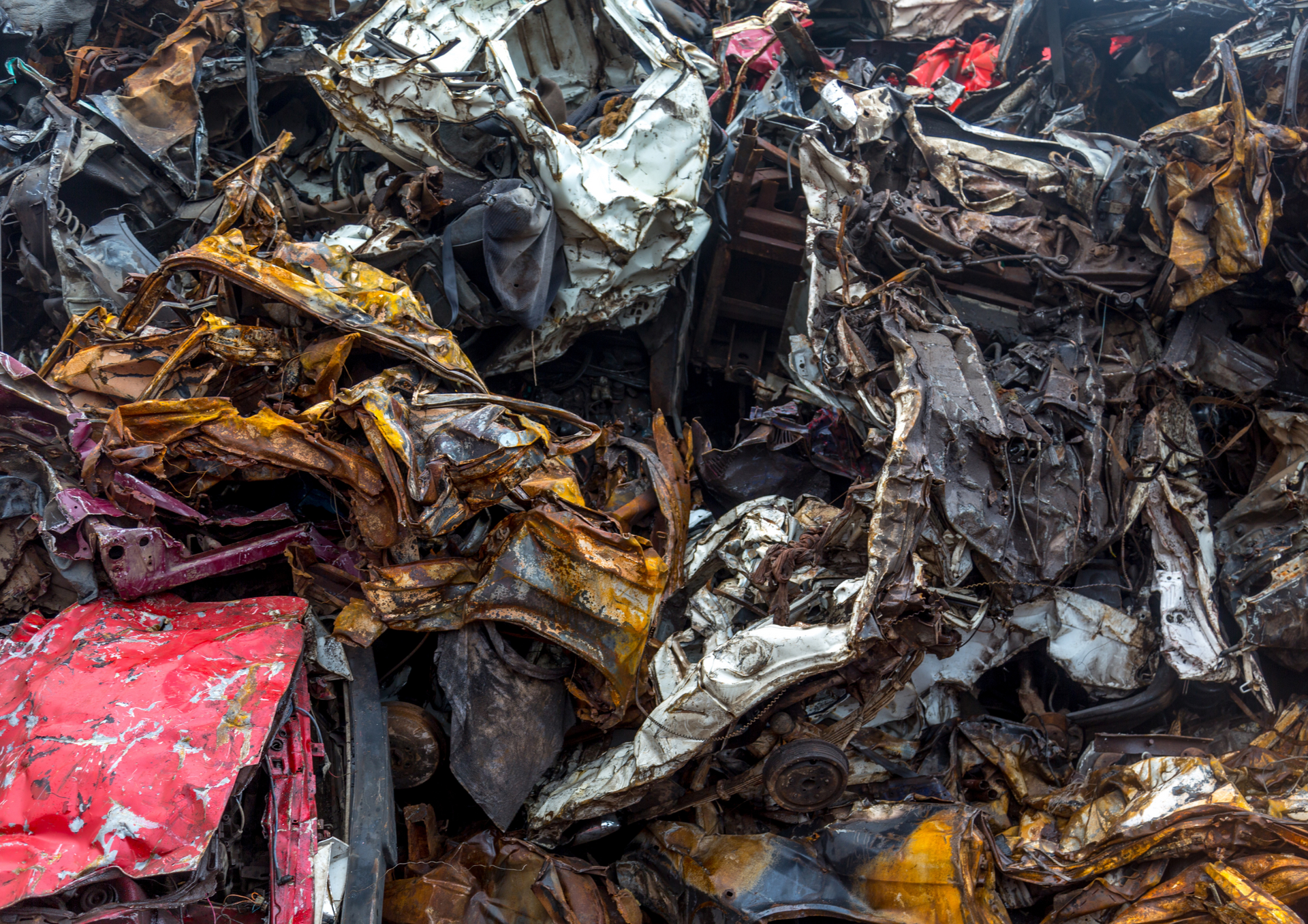
Once dismantling and separation have taken place, suitable resources can move towards their respective recycling routes. This stage is where an unwanted vehicle increasingly stops being treated as a complete object and becomes a collection of individual materials.
A scrap car removal service solves the immediate practical issue of moving an unwanted vehicle from a property, but subsequent processing determines what can happen to the materials it contains. Metals can be separated for further treatment, while other suitable resources may enter different recovery streams.
Steel can be processed so that recovered material becomes suitable for future manufacturing applications. Aluminium also has significant recycling potential, while copper recovered from wiring and electrical components can be directed towards specialist metal processing.
This recovery process matters because vehicles contain substantial quantities of materials that do not necessarily lose their usefulness simply because the car itself has stopped working. An engine fault, damaged gearbox or severe electrical problem may make continued ownership impractical without making the vehicle's structural metals unusable.
Recycling allows suitable existing resources to remain in circulation. It can reduce unnecessary disposal while providing manufacturing processes with recovered materials that may be used again.
The same principle applies to vehicles that have remained unused for long periods. A non-running car sitting on a driveway may gradually develop additional corrosion, flat tyres and other deterioration. Leaving it in place does not make use of the materials contained within it.
For homeowners, organised disposal can free driveway or garage space. Landlords and property managers may need to deal with unwanted vehicles left at residential premises, while businesses can benefit from clearing unused vans or other vehicles from yards and parking areas.
Liverpool presents many of the practical circumstances found in other UK towns and cities. Residential streets can have limited parking space, commercial premises may need to keep yards clear, and older vehicles can become difficult to move after extended periods of inactivity.
Processing provides a clear route from collection through to material recovery. What begins as an unwanted car, van or other vehicle can ultimately provide metals and other suitable resources for future applications.
Vehicle collection is only the beginning of a much broader disposal process. After
scrap cars leave a property, they can move through preparation, dismantling, component separation and material recovery before suitable resources enter recycling routes.
Each stage has a particular purpose. Initial preparation allows different elements to be handled appropriately, while dismantling makes it possible to separate metals, electrical components, tyres, glass, plastics and other materials according to their characteristics.
For vehicle owners, understanding this journey can make disposal easier to approach. Providing accurate information, removing personal belongings and explaining any access difficulties before collection can help the first stage proceed more smoothly.
The wider process then ensures that an unwanted vehicle does not simply remain as one complete object. Instead, suitable components and materials can be identified, separated and directed towards appropriate future uses, providing a practical conclusion to the vehicle's working life.
Scrap My Car Liverpool provides clear, locally relevant information for motorists considering what to do with an unwanted, damaged, ageing or non-running vehicle. We focus on making the collection process easier to understand, from preparing the vehicle and explaining access conditions to knowing what happens once it has been removed.
Whether scrap cars are located on residential driveways, commercial premises or other accessible locations, understanding the process can help owners prepare properly and know what to expect. Our locally focused guidance considers the practical challenges found across Liverpool while remaining useful to motorists facing similar circumstances elsewhere in the UK.
We aim to provide straightforward information without unnecessary claims or complicated language, helping drivers, van owners and other vehicle owners understand the journey from collection through to responsible processing and recycling.
Check out our latest X update explaining how
scrap cars are processed following collection from your property!
You might also like