How Scrap Cars for Cash Services Handle Non-Running Vehicles Safely
A vehicle does not have to be running to retain useful recyclable value. Cars, vans and other vehicles can become immobile because of engine failure, electrical faults, damaged gearboxes, long-term storage or general mechanical deterioration. Once getting the vehicle back on the road becomes impractical, owners need to consider what to do with it next.
For motorists in Liverpool, scrap cars for cash services provide a practical route for dealing with vehicles that cannot be driven to another location. Rather than attempting to move an unreliable vehicle independently, owners can arrange a suitable collection based on its condition and location.
Understanding how non-running vehicles are assessed and prepared can make the process considerably easier. The following guide covers the main considerations, from determining whether continued repairs are worthwhile to preparing an immobile vehicle for collection and responsible processing.
Why Vehicles Become Non-Running and When Scrapping Makes Sense
A vehicle can become non-running for many reasons, and the problem is not always caused by a single major failure. Older vehicles in particular can develop several faults at the same time, making repairs increasingly difficult to justify.
Engine problems are among the more serious reasons a vehicle may become immobile. Timing system failures, overheating, internal engine damage or lubrication problems can prevent the engine from operating correctly. Depending on the vehicle's age and condition, extensive engine work may cost more than the owner considers worthwhile.
Gearbox and transmission faults can create similar difficulties. A vehicle may still start but be unable to move safely under its own power. Continuing to attempt to drive it could place additional strain on already damaged components.
Electrical problems can also leave a vehicle completely unusable. Battery faults may be relatively straightforward, but damaged wiring, starter motor problems or more complicated electrical failures can require substantial investigation and repair.
Long-term storage is another common reason vehicles become difficult to start or move. Batteries can discharge, brakes may seize and tyres can deteriorate. Fluids and other components can also be affected when a vehicle remains unused for extended periods.
Drivers searching for scrap my car near me may therefore be dealing with anything from a single major mechanical failure to an older vehicle with several accumulated problems. The important consideration is whether repairing the vehicle remains sensible when compared with its age, condition and likely future reliability.
A non-running vehicle does not automatically have to be discarded. If the fault is reasonably inexpensive to correct and the rest of the vehicle remains dependable, repair may still make sense. However, where major work is required or problems repeatedly return, disposal may become the more practical choice.
For motorists in Liverpool, this decision can also be influenced by where the vehicle is stored. An unusable car occupying a driveway, parking area or business premises can quickly become inconvenient, particularly where available space is limited.
How Non-Running Vehicles Are Assessed
An immobile vehicle may no longer provide useful transport, but that does not mean every part of it has lost value. Its construction, weight, components and recyclable materials can all contribute to an assessment.
Several points are normally relevant when considering a non-running vehicle:
- Make and model: Different vehicles contain different quantities of recyclable materials and components, so identifying the exact model helps establish what is being assessed.
- Age: Older vehicles may have fewer reusable components, although their metal content can still contribute to recycling value.
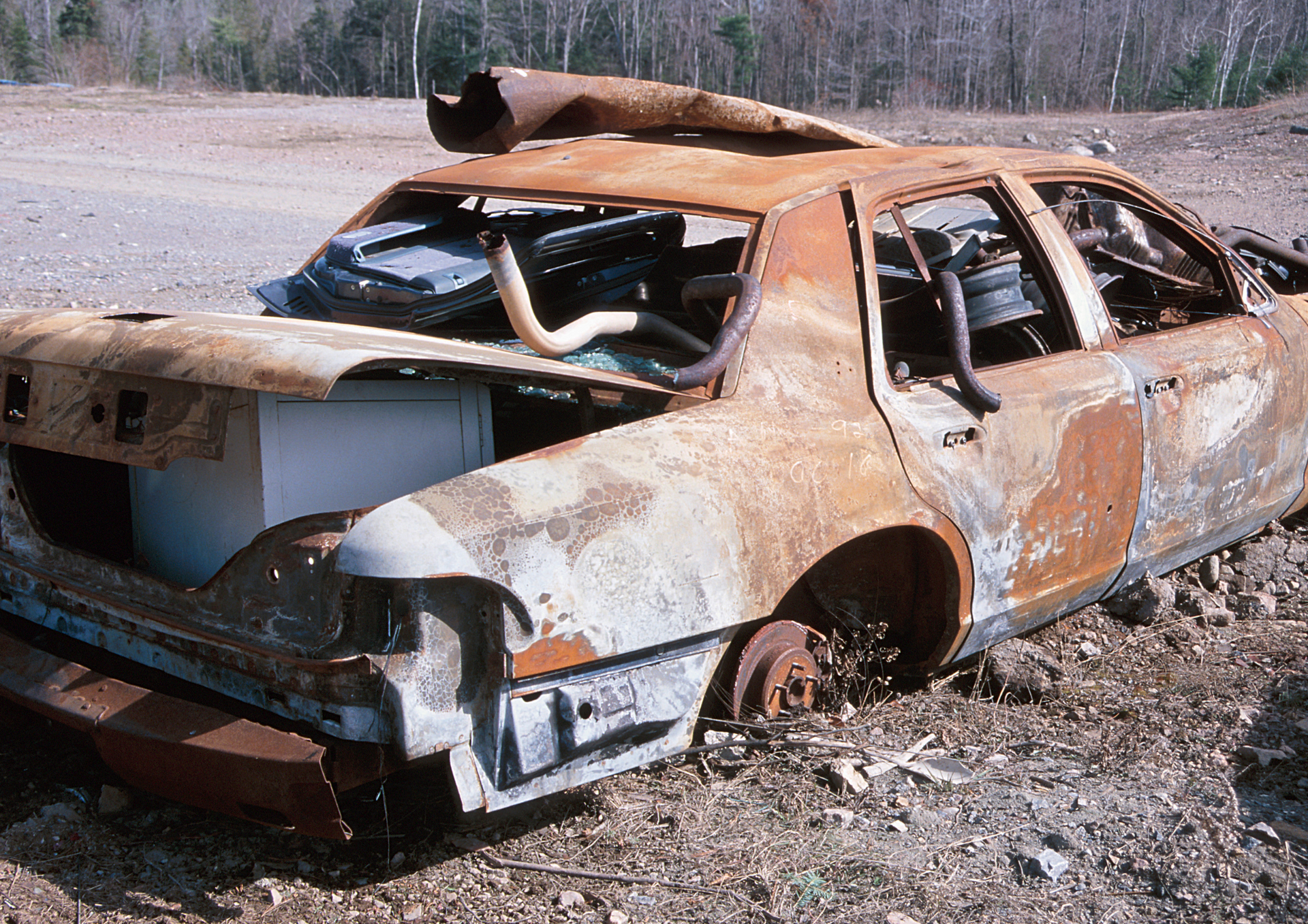
- Overall condition: Significant corrosion, accident damage or missing components may affect how the vehicle is evaluated.
- Vehicle weight: Larger cars, vans and commercial vehicles generally contain more material than smaller vehicles, which can influence their assessment.
- Key components: Engines, gearboxes, catalytic converters and other major parts can affect the overall evaluation, particularly if some components have already been removed.
- Location and accessibility: An immobile vehicle positioned somewhere difficult to reach may require additional planning before it can be collected.
- Current material values: Demand for recyclable metals changes over time, meaning assessments can vary rather than remaining permanently fixed.
Owners planning to sell car for scrap should therefore provide accurate information rather than assuming that the inability to start the vehicle determines its entire value. Clear details about its condition can help establish realistic expectations before collection is arranged.
Photographs can sometimes be useful when significant body damage or difficult access needs to be explained. Vehicle registration details, make, model and general condition can also help ensure the correct vehicle and circumstances are understood beforehand.
It is particularly important to mention if major components are missing. An incomplete vehicle may be assessed differently from one that remains substantially intact, even if neither vehicle is capable of running.
Preparing an Immobile Vehicle for Collection
Once disposal has been chosen, preparing the vehicle properly can help prevent avoidable delays. Non-running vehicles require suitable access because they cannot simply be driven onto transport equipment.
Before collection, owners should consider the following:
- Clear the surrounding area: Make sure there is sufficient access to reach the vehicle, particularly if it has been stored on a driveway, behind another vehicle or within a business yard.
- Remove personal belongings: Check the glove compartment, door pockets, boot, centre console and underneath seats for anything that should be kept.
- Check the keys: Have available keys ready where possible, as these may help with steering, unlocking the vehicle or preparing it for loading.
- Provide accurate condition details: Explain whether the wheels turn, whether the steering operates and whether any tyres are flat or damaged.
- Prepare vehicle information: Having registration and other relevant vehicle details available can make the handover more organised.
- Mention unusual access conditions: Gates, underground parking, narrow entrances, height restrictions or steep driveways should be explained before collection.
- Avoid unnecessary attempts to start it: If there is evidence of serious mechanical damage, repeatedly trying to start or move the vehicle may create additional problems.
Professional scrap car removal is particularly useful when a vehicle cannot be transported independently. Appropriate collection planning means the owner does not need to attempt to drive an unreliable vehicle or arrange separate transportation.
Liverpool contains a wide variety of residential and commercial environments, from terraced streets and shared parking areas to larger industrial premises. Access can therefore differ considerably between collections. Providing clear information about where the vehicle is located helps determine how removal should be approached.
The same principles apply elsewhere. Whether an unwanted vehicle is on a private driveway, at a workplace, in a storage area or on another accessible site, preparation is an important part of ensuring an efficient handover.
What Happens After a Non-Running Vehicle Is Collected
Collection is only one stage in the end-of-life process. Once a vehicle has been transported to an appropriate facility, it can be assessed for reusable components and recyclable materials.
Vehicles contain substantial quantities of steel as well as aluminium, copper, plastics, glass and other materials. Recovering these materials allows them to return to manufacturing and recycling streams instead of treating the complete vehicle as waste.
Reusable components may also be identified depending on their condition. Parts that are unsuitable for reuse can be separated into appropriate material categories, allowing more of the vehicle to be processed effectively.
Motorists considering scrap my car for cash should understand that the condition of a non-running vehicle can vary significantly. One car may have a failed engine while retaining many intact components, whereas another may have extensive corrosion, accident damage and missing parts. These differences help explain why two apparently similar vehicles may not receive the same assessment.
Responsible processing is particularly important for fluids and other vehicle substances that require controlled handling. A structured dismantling process allows these materials to be managed appropriately before recyclable parts and metals are separated.
For drivers, this means an unwanted vehicle can continue to have useful material value even after it has stopped functioning as transport. Recycling steel, aluminium and other materials reduces the amount of new raw material required for future manufacturing.
Local collection also provides a practical advantage in areas such as Liverpool. Where substantial repairs are difficult to justify, scrap cars for cash can offer a practical alternative that allows useful materials and components to be recovered. Organised removal provides a defined end to the ownership process and allows the vehicle to enter appropriate processing channels.
Scrap My Car Liverpool provides practical support for motorists who need to remove cars, vans and other vehicles that are no longer running. We understand that every vehicle can present different circumstances, from straightforward mechanical failure to long-term storage, severe deterioration or difficult access.
Our approach focuses on clear communication from the beginning. By understanding the vehicle's condition, location and accessibility, we can help make collection easier to organise while giving owners a clearer idea of what to expect.
For motorists considering scrap cars for cash, our local knowledge of Liverpool and experience with different types of unwanted vehicles help provide a straightforward approach to removal. We focus on helping drivers deal with non-running vehicles efficiently while keeping the process clear and manageable from initial enquiry through to collection.
Check out our latest X update on how
scrap cars for cash services handle non-running vehicles safely and efficiently!
You might also like